

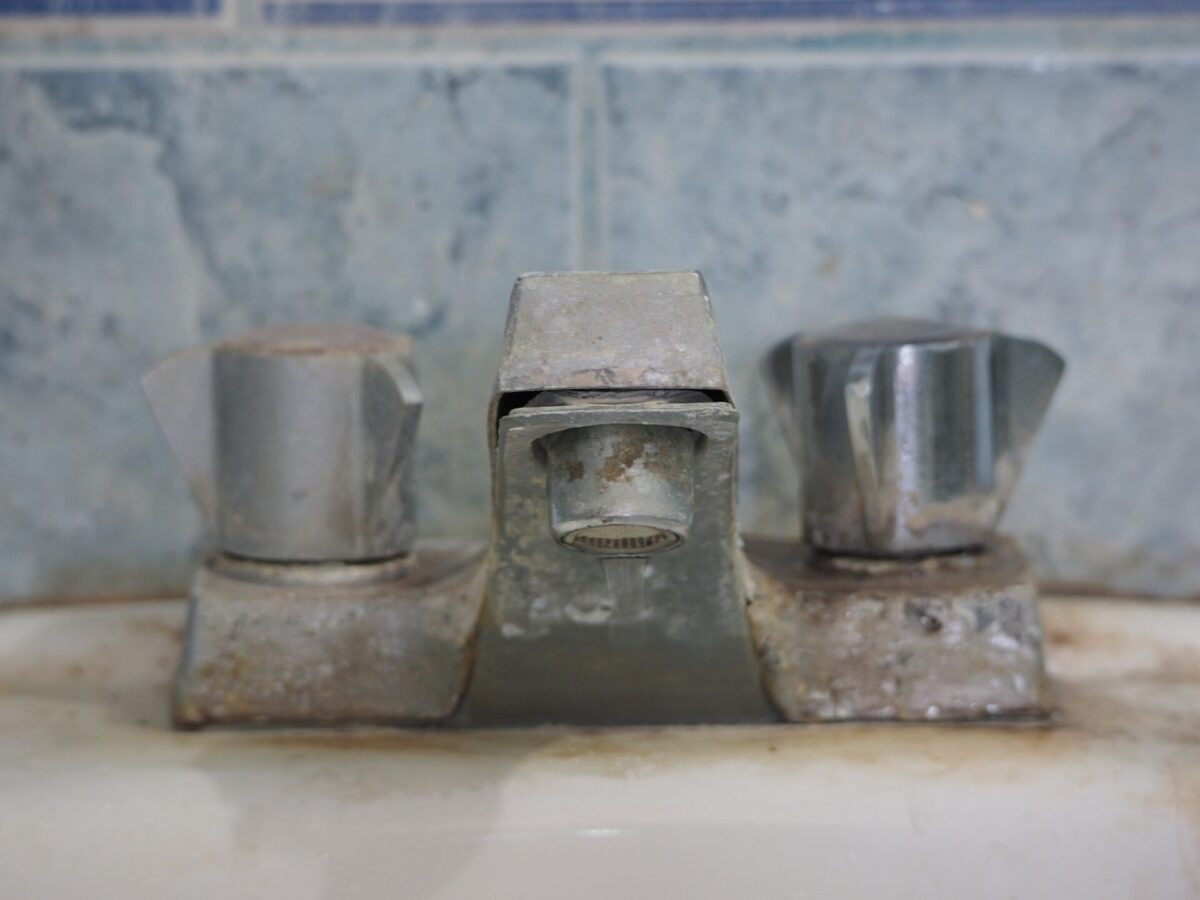
Scale buildup is a common problem in many homes, especially in areas with hard water. Minerals accumulate on plumbing fixtures and surfaces, leaving behind chalky deposits. Over time, these mineral deposits can form crusty layers around faucets, showerheads, and sinks, making them look dull and harder to clean.
Scale buildup in Phoenix homes is particularly prevalent because of the area’s natural hard water supply. Arizona’s desert environment contributes to higher mineral concentrations in the water, which means homeowners frequently deal with limescale on their fixtures and inside pipes. Without proper prevention or treatment, this buildup can restrict water flow, reduce fixture efficiency, and even shorten the lifespan of appliances like dishwashers and water heaters.
Measures to reduce scale aren’t simply for aesthetics. It offers functional and cost-saving benefits, including improved water pressure, longer-lasting plumbing fixtures, and fewer costly future repairs. Surfaces stay cleaner longer, and appliances run more efficiently, resulting in lower energy and maintenance expenses.
At Code Blue Plumbing, we understand how challenging Phoenix’s hard water can be. Our experienced plumbers specialize in diagnosing, treating, and preventing scale buildup with proven solutions tailored to local water conditions. Whether you need professional descaling, water softener installation, or expert maintenance tips, Code Blue Plumbing has the knowledge and tools to help keep your showers and sinks running like new.
What Causes Scale Buildup?
Hard water contains high levels of dissolved minerals like calcium and magnesium. When this water is heated or evaporates, those minerals are left behind on surfaces. Over time, the deposits harden into a chalky or crusty layer that clings to metal, glass, and ceramic fixtures.
The most common areas where scale buildup appears are places where water is frequently used or left to dry:
- Faucet bases
- Sink basins
- Shower doors
- Wall and floor tiles
Mineral deposits can also accumulate inside showerheads, faucet aerators, sink drains, and pipes. In showers, you may notice reduced water flow as scale clogs the tiny openings in the spray nozzles. Around sinks and faucets, it can create stubborn white spots that dull the shine of your fixtures and make cleaning more difficult.
In Phoenix, the problem is common in homes that don’t have proper water softeners integrated in their plumbing systems. The region’s desert water sources are naturally rich in minerals, and the high temperatures in many homes cause water to evaporate faster, leaving more deposits behind. This means buildup can easily form anywhere water can be left to dry.
Aside from the way it impacts your bathroom’s aesthetics, scale buildup can cause several functional problems:
- Narrowing pipes and increasing pressure
- Reducing water flow
- Leaks and corrosion, which can lead to further damage
- Buildup in water heaters making your unit operate less efficiently
Understanding these causes is the first step toward protecting your plumbing system and keeping your fixtures in top condition.
Signs You Have Scale Buildup in Your Shower or Sinks
One of the easiest ways to spot scale buildup in your shower or sinks is through visible signs:
- White or gray chalky deposits forming around your water fixtures and drains
- Dull or discolored fixtures that feel rough to the touch
- Cloudy film forming on glass doors
- Residue on tile surfaces that’s difficult to scrub away
Beyond appearance, scale buildup can also affect how your plumbing functions. Some signs of buildup within your plumbing include:
- Weaker spray from your showerhead
- Uneven water flow from faucets
- Slow sink drain
- Unexplained water bills
- Appliances like washing machines and dishwashers wearing out faster
These functional issues tend to worsen gradually, so small changes in water flow or pressure are worth paying attention to. When in doubt, calling a professional plumber like Code Blue Plumbing can save you time and money. A quick inspection can determine whether hard water is causing the problem and identify the best solution, whether it’s cleaning, descaling, or installing a water treatment system tailored for Phoenix’s hard water conditions.
Simple DIY Steps To Reduce and Remove Scale
If you’ve noticed scale starting to form around your shower or sinks, there are several simple DIY steps you can take to reduce and remove it before it becomes a bigger problem.
-
- Clean Your Fixtures: Remove your showerhead and faucet aerators and soak them in white vinegar or a mild descaling solution. These will break down mineral deposits after soaking for a few hours. Gently scrub away any remaining buildup with a soft brush. Reattach the fixture and run water through it to clear any loosened debris.
- Use a Non-Abrasive Cleaner: A soft brush or cloth can be used to gently remove visible scale on surfaces such as tiles, faucets, or sink basins. Avoid harsh scrubbing pads that can scratch the finish. Work the cleaner gently into the affected areas and rinse thoroughly afterward.
- Dry Surfaces After Use: Wipe away excess water before it evaporates to reduce the minerals left behind.
If scale buildup is an ongoing issue, consider taking a preventative approach by having a water softening or pre-treatment system installed. These devices help reduce the amount of calcium and magnesium in your water supply, making it less likely for scale to form in the first place. While installation is best handled by a professional plumber, it’s a long-term solution that can protect your entire plumbing system.
Routine maintenance also helps keep your fixtures free of scale. Make it a monthly habit to wipe down high-use areas like showerheads and faucets. Periodically check the flow rate from your fixtures. If you notice reduced pressure or uneven spray patterns, it might be time for another cleaning.
When Do You Need To Contact a Professional To Help?
While DIY methods can help control mild scale buildup, some situations call for professional attention. A licensed plumber can perform a detailed inspection of your home’s plumbing system to determine the severity of the issue and measure your water hardness levels. They can identify whether the problem is localized or system-wide and recommend the most effective solution.
There are several professional-grade options available to tackle stubborn or recurring scale:
- Whole-House Water Softeners: One of the most effective long-term solutions, removing minerals like calcium and magnesium before they enter your plumbing system.
- Scale-Inhibitor Systems: Preferred by homeowners who want lower-maintenance alternatives. This prevents minerals from bonding to surfaces.
- Targeted Fixture Replacement or Professional Descaling Service: These can be scheduled as needed to restore water flow and protect pipes from further damage.
Calling Code Blue Plumbing is the best step if you’re dealing with ongoing or severe scale buildup. As experienced Phoenix plumbers, we understand the area’s hard-water challenges and offer tailored solutions to match local water conditions.
Our technicians are trained to handle everything from installing water softeners to performing deep cleanings and preventative maintenance. With our expertise, you can eliminate scale problems efficiently and keep your plumbing system in top shape.
It’s time to call Code Blue Plumbing if you notice:
- Persistent mineral deposits
- Visible damage to fixtures or pipes
- Unusually high water usage that can’t be explained
- Signs of buildup in multiple bathrooms, kitchens, and appliances
Professional help ensures that the problem is fully resolved — saving you from repeated cleaning efforts and protecting your plumbing investment for years to come.
What Are Preventive Maintenance Plans for Reducing Scale Buildup for Phoenix Homes?
Preventive maintenance helps keep scale buildup under control. Establishing a regular schedule to handle scale buildup can make a big difference.
- Perform a quick check of faucets, showerheads, and sinks every few months to catch early signs of mineral deposits.
- Schedule a professional inspection at least once a year to address hidden buildup and identify potential plumbing issues caused by it.
- Keep your water heater temperature at a moderate level to avoid accelerating mineral deposits.
- Flush your water heater periodically to remove sediments.
- Install sediment filters to protect your pipes and fixtures while reducing buildup.
Being proactive in hard-water zones of the Phoenix metro area ensures that your plumbing system stays efficient, your fixtures remain attractive, and your home avoids unnecessary repairs or replacements over time.
Frequently Asked Questions for Reducing Scale Buildup on Showers and Sinks
Is scale the same as rust?
Many homeowners confuse scale with rust, but they are different issues. While both can affect plumbing, the causes and treatments are different.
Rust is reddish-brown and develops when iron in pipes or fixtures oxidizes. It can potentially weaken metal fixtures, leading to leaks. Scale is made up of mineral deposits left behind by hard water.
Will a water softener fix everything?
A water softener can reduce the minerals that cause scale. However, it doesn’t remove existing buildup that has already formed, and it may not address sediment, rust, or other water quality issues. Water softeners are a long-term preventative solution, but older buildup may still require professional descaling before the benefits of softening can be fully realized.
Is vinegar safe for all fixtures?
Vinegar is a popular DIY solution for removing scale because it dissolves mineral deposits naturally. That said, it isn’t safe for every surface. Acidic cleaners like vinegar can damage certain finishes, including natural stone, brass, and some specialty coatings. Always check the manufacturer’s guidelines for your fixtures and test in an inconspicuous area before applying vinegar to larger surfaces.
How much does treatment cost?
The cost of treating scale can vary depending on the severity of buildup and the solution you choose. Simple DIY cleaning may only require a few dollars for vinegar or descaling products, while professional descaling, water softener installation, or full plumbing treatments can range from a few hundred to several thousand dollars.
For an accurate estimate tailored to your home, it’s best to contact a local professional like Code Blue Plumbing.
Can I do it myself, or do I always need a professional to handle scale buildup?
Many minor scale problems can be handled with DIY methods. However, persistent scale, system-wide mineral buildup, or damage inside pipes usually requires professional intervention. A plumber can provide a thorough inspection, recommend the most effective treatment, and install devices like whole-house softeners that prevent future problems.
Dealing with Scale Buildup? Call Code Blue Plumbing for Your Plumbing Needs
Scale buildup is a common challenge for homeowners in Phoenix. While it can be frustrating to deal with chalky deposits and reduced water flow, the good news is that scale is manageable with the right combination of preventative measures, regular cleaning, and professional support.
If you’re ready to take control of scale in your home, contact Code Blue Plumbing. Our experienced Phoenix team offers free estimates and inspections, 24/7 service, and solutions tailored to local water conditions.