

Quick Help for Frozen Pipes in Tucson Homes
If you woke up to no water, a trickling faucet, or a frozen hose bib, you’re not alone. Tucson can feel warm most of the year, yet winter nights still dip low enough to freeze exposed plumbing. That’s when frozen pipes turn from “annoying” to “expensive” fast.
This page breaks down what’s happening, what you can do right now, and when it’s smarter to call a pro. You’ll also get prevention tips that actually fit desert homes, not generic cold-climate advice.
Frozen pipes feel like they come out of nowhere. One day it’s sweater weather, then the next morning you’re staring at a faucet that won’t cooperate. The big worry is not just losing water. It’s what happens behind the wall while you’re waiting. When water freezes, it expands. That expansion can stress the pipe until it cracks. Then, when it finally thaws, you get the surprise you didn’t want: a leak that starts quietly and escalates into water damage.
Common concerns homeowners have right away:
- “Is my pipe already burst?”
- “Can I thaw it without causing damage?”
- “Where’s my shutoff valve?”
- “Do I need an emergency plumber in Tucson?”
Here’s the simplest way to think about it. A frozen pipe is a warning sign. You can sometimes fix it safely. You still need to move quickly and carefully.
Signs Your Pipes Are Frozen (Before They Burst)
Frozen pipes usually give clues. You just have to know what to look for.
No Water or Weak Water Pressure
This is the classic sign. You turn on a faucet and nothing comes out. Or the water sputters, then fades to a trickle. If only one faucet is affected, the freeze is probably along that fixture’s supply line. If multiple fixtures are affected, the frozen section might be closer to your main supply line or a shared branch.
One more tip. If water pressure drops suddenly and then returns later, don’t assume you’re in the clear. A pipe can partially thaw and still be damaged.
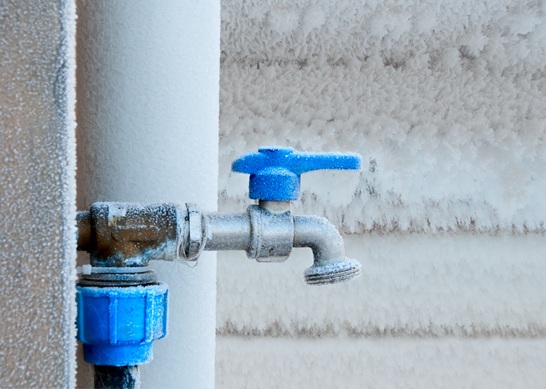
Frost on Pipes or a Frozen Hose Bib
Outdoor hose bibs (spigots) are frequent trouble spots in Tucson because they’re exposed. You might see frost, feel a pipe that’s unusually cold to the touch, or notice the hose bib won’t flow at all.
Also check pipes in:
- garage walls
- exterior-facing cabinets
- laundry rooms on outside walls
- attics and unheated utility spaces
Odd Smells, Strange Sounds, and Other Red Flags
Sometimes you’ll hear faint whistling, clanking, or creaking as pipes strain. You might smell musty odors if a small leak has already started and dampened drywall. If you see bubbling paint, water stains, or warped baseboards, treat it as urgent.
What Causes Frozen Pipes in Tucson, AZ
Tucson freezes aren’t constant. They’re sharp. That’s what catches homeowners off guard.
Exposed Outdoor Plumbing and Hose Bibs
Hose bibs, vacuum breakers, and exposed copper or PVC near the exterior can freeze during cold snaps. Wind makes it worse because it strips away the small bit of warmth around the pipe.
Pipes in Exterior Walls, Attics, and Unheated Spaces
Even if your home feels comfortable, pipes inside exterior walls can sit in a colder pocket. Cabinets can trap cold air too, especially under a kitchen sink on an exterior wall.
How Desert Homes Lose Heat at Night
Desert temperatures swing hard. A mild day doesn’t protect you from a freezing night. If the heat is turned down too far, or if a room stays closed off, that little drop can be enough to freeze a vulnerable section.
What To Do Right Now If You Suspect Frozen Pipes
You don’t need to panic. You do need a plan.
Shutoff Valve Basics and Damage Control
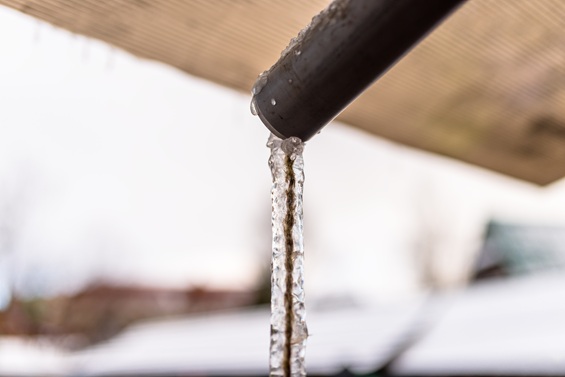
First, look for leaks. Check under sinks, around toilets, near the water heater, and along visible lines. If you see any leaking, turn off the water at the main shutoff right away.
Even if you don’t see a leak, it’s smart to locate the shutoff now. If a pipe bursts as it thaws, you’ll want seconds, not minutes.
Safe DIY Steps That Lower Risk
If you’re confident the pipe is accessible and not already leaking, use gentle heat and patience:
- Open the affected faucet slightly so water can move as ice melts.
- Warm the area with a space heater aimed safely at the cabinet opening.
- Use warm towels around accessible pipe sections.
- Keep interior doors open so warmer air circulates.
For safety-focused thawing guidance, the American Red Cross has a clear overview here: Preventing & Thawing Frozen Pipes | American Red Cross.
What Not To Do (Common Mistakes)
These mistakes can turn a frozen pipe into a fire risk or a burst pipe:
- Don’t use open flames.
- Don’t crank heat on one tiny spot aggressively.
- Don’t ignore it and “wait for the sun.” Frozen pipes can split quietly.
If you can’t access the frozen section or if you suspect a wall pipe is frozen, call a plumber. Hidden leaks are the ones that rack up repairs.
Professional Pipe Thawing: How a Plumber Thaws Frozen Pipes Safely
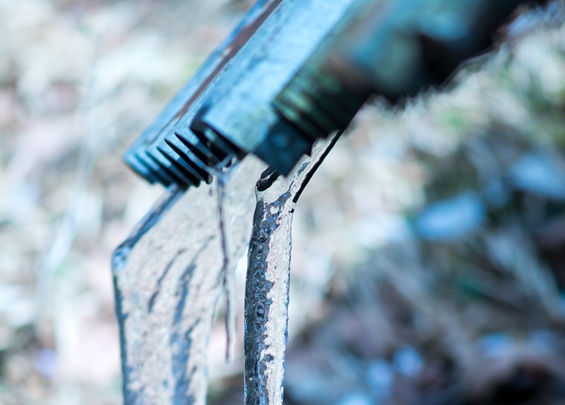
A professional thawing frozen pipes service in Tucson, AZ should do more than “get water flowing.” The real value is thawing safely, checking for damage, and helping you avoid a repeat.
Step-by-Step Thawing Approach
A plumber typically:
- confirms which lines are affected
- finds the most likely freeze point
- applies controlled heat to thaw progressively
- restores flow while monitoring pressure changes
That last part matters. When water returns, the pipe might be weakened. A careful approach reduces the chance of a sudden rupture.
Leak Checks, Pressure Testing, and Repair Options
Once flow returns, a solid service includes checking for:
- pinhole leaks
- cracked fittings
- weakened joints
- water damage signs nearby
If a pipe bursts, repairs can range from a targeted section replacement to more extensive work depending on location and material.
When Repiping or Pipe Upgrades Make Sense
If you’ve dealt with repeat freezing, older pipe materials, or chronic weak spots, it may be time to talk about upgrades. Many homeowners consider PEX in remodels or problem areas because it tolerates freeze conditions better than rigid pipe in some situations. It’s not magic. It’s just one more layer of protection.
Preventing Frozen Pipes in Tucson: Simple Fixes That Work
Prevention in Tucson is about targeting the usual weak points. You don’t need to overbuild your home like you live in the Midwest. You do need to protect exposed sections.
Insulation, Cabinet Airflow, and Smart Thermostat Habits
Try these practical moves:
- Add pipe insulation sleeves to exposed lines.
- Open cabinet doors on cold nights for warmer airflow.
- Keep your thermostat steady overnight during freezes.
- Seal obvious drafts around plumbing penetrations.
Protecting Hose Bibs and Irrigation Lines
Outdoor protection is big in Tucson:
- Disconnect hoses before freezing nights.
- Cover hose bibs with insulated covers.
- Drain and shut off irrigation lines if you have exposed components.
If you want a broader home-safety checklist for winter weather, the EPA’s winter weather page is a useful reference point: Winter Weather and Indoor Air Quality | US EPA.
Vacation Checklist for Cold Nights
Heading out of town during winter?
- Set the thermostat to a safe minimum, not “off.”
- Shut off water if you’ll be gone for an extended period.
- Have a neighbor check for leaks.
- Know where the main shutoff is located.
Frequently Asked Questions About Thawing Frozen Pipes Service in Tucson, AZ
What’s the safest way to thaw frozen pipes?
Gentle, even warming is safest. Think warm air circulation and controlled heat, not extreme hot spots. Keep a faucet slightly open, then warm the area gradually. Avoid open flames.
Can pipes freeze in Tucson even if it’s only below freezing for a few hours?
Yes. Exposed pipes and hose bibs can freeze during short cold snaps, especially with wind or poor insulation.
How do I know if my frozen pipe burst?
Look for water stains, wet drywall, puddles, or a sudden spike in water use. Sometimes you won’t see it until thawing begins, which is why monitoring during thaw is important.
Should I shut off water if my pipes are frozen?
If you suspect a burst or see any leakage, shut off water right away. If there are no leaks and you’re doing gentle thawing on an accessible pipe, you may keep water on while monitoring closely.
Is a frozen hose bib an emergency?
It can be. Hose bibs can crack, then leak inside the wall when thawed. If it won’t flow and temperatures are staying low, get it checked.
Can I use a hair dryer on a frozen pipe?
Often yes for accessible sections, as long as you keep it moving and avoid overheating one spot. If you’re unsure where the freeze is, stop and call a plumber.
Why do my pipes keep freezing in the same place?
That usually points to a draft, missing insulation, or a pipe located too close to an exterior surface. A plumber can help identify the weak point and recommend a lasting fix.
How long does professional pipe thawing take?
It depends on access and how deep the freeze is. Straightforward, accessible freezes can be resolved quickly. Hidden lines can take longer because the priority is doing it safely.
Will thawing a frozen pipe cause it to burst?
Thawing doesn’t “cause” the burst. The damage typically happens during freezing as pressure builds. Thawing simply reveals the crack once water starts moving again.
What should I do after my pipes thaw?
Run water briefly and check every accessible area for leaks. Watch ceilings and walls for new stains over the next day. If anything looks off, schedule an inspection.