

What Is Backflow and Why Should You Care?
Most people turn on the tap and trust that the water coming out is clean. That trust is well-founded most of the time. But there is a specific plumbing condition that can silently compromise your drinking water without any warning at all. It is called backflow, and it is more common than you might think.
Backflow is the unintended reversal of water flow inside your plumbing system. Under normal conditions, water travels in one direction: from the municipal supply line into your home and out through your fixtures. When pressure in the supply line drops suddenly, that flow can reverse. Non-potable water gets pulled or pushed back into the clean water supply. Contaminants from outside sources enter your drinking water without any visible sign that anything went wrong.
According to DrinkTap.org, backflow events occur in approximately 1.6% of all meter reads and in 5% of homes equipped with backflow-sensing meters. Those numbers sound small until you consider how many homes and businesses share a single municipal supply line.
The Two Types of Backflow: Backsiphonage vs. Backpressure
Understanding how backflow happens starts with recognizing the two distinct mechanisms behind it.
- Backsiphonage occurs when pressure in the supply line drops below atmospheric pressure, creating a partial vacuum. That vacuum sucks water backward through the pipes. Think of it like drinking through a straw, but in reverse. A nearby fire hydrant activation, a water main break, or a sudden surge in demand can all trigger backsiphonage.
- Backpressure backflow occurs when pressure downstream of a connection exceeds the supply pressure. Boilers, pumping systems, and pressurized equipment all create downstream pressure. When that pressure climbs higher than what the municipal line provides, water flows backward into the supply.
Both mechanisms are dangerous. Both are entirely preventable with the right equipment properly installed and maintained.
What Is a Cross-Connection? (And Why Your Home Likely Has One)
A cross-connection is any physical link between your potable water supply and a potential source of contamination. You do not need to do anything unusual to create one. Many cross-connections exist inside ordinary homes and businesses right now, built into the plumbing during construction or added through routine equipment use over time.
The connection itself causes no problem under normal pressure conditions. The danger appears the moment pressure changes and flow reverses. At that point, whatever is on the other side of that connection, whether fertilizer, pesticide, pool chemicals, or bacteria, travels directly into your drinking water supply.
Common Cross-Connection Points in Residential Homes
- Outdoor garden hoses submerged in buckets, pools, or connected to fertilizer sprayers
- Irrigation and sprinkler systems running through soil treated with pesticides or fertilizers
- Swimming pools and hot tubs directly connected to the home water supply for filling
- Boilers and water heaters with chemical treatments added to the water
- Toilet tank fill valves without proper air gap protection
Common Cross-Connection Points in Commercial Buildings
- Commercial kitchens and dishwashers with chemical dispensers connected to the water line
- Medical and dental facilities using autoclaves, dialysis machines, and aspirators
- Fire suppression systems that contain antifreeze, foam concentrates, or corrosion inhibitors
- Industrial equipment including boilers, cooling towers, and chemical feed systems
- Car washes and laundries with chemical injectors tied directly into water lines
The City of Tucson alone has over 30,000 backflow prevention assemblies currently in use across its water service area. That figure reflects just how widespread cross-connection points are in a mid-sized city.
How Contaminated Water Gets Into Your Drinking Supply
Picture this scenario. A homeowner connects a garden hose to an outdoor faucet and drops the other end into a bucket of weed killer to spray the yard. They get distracted and leave the hose submerged. A few blocks away, a water main breaks. Pressure in the supply line drops to zero. In that moment, the vacuum created by the pressure drop draws the weed killer solution backward through the hose, through the faucet, and into the home’s water supply. The homeowner comes inside and pours a glass of water.
That is backsiphonage in action. It happens fast, leaves no visible trace, and requires no mechanical failure inside the home. The same event can unfold on a commercial scale with far more dangerous contaminants involved.
Real-World Examples of Backflow Contamination
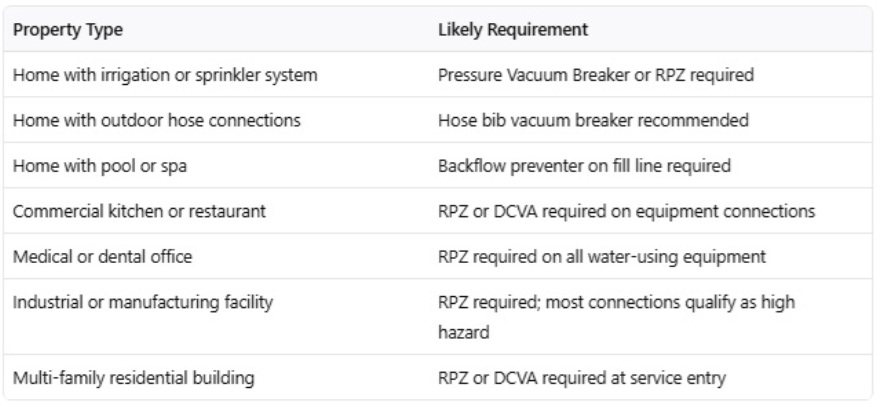
Health Risks of Backflow Contamination
Backflow contamination does not always produce an obvious change in taste, color, or odor. Some of the most dangerous contaminants are completely undetectable without laboratory testing. That invisibility is exactly what makes the health risk so serious.
The CDC identifies a wide range of pathogens and chemicals as the leading causes of tap water contamination and related illness. Backflow events introduce those same categories of contaminants directly into the potable supply. Health consequences range from mild gastrointestinal illness to acute toxic exposure depending on what enters the water.
Contaminants That Can Enter Through Backflow
- Biological contaminants: E. coli, Salmonella, Giardia, Legionella, Cryptosporidium, and other waterborne pathogens that cause diarrhea, vomiting, fever, and in vulnerable populations, serious illness or death
- Chemical contaminants: Pesticides, herbicides, fertilizers, industrial solvents, cleaning agents, antifreeze, and corrosion inhibitors that cause acute toxicity or long-term health damage with repeated exposure
Children, elderly individuals, pregnant women, and anyone with a compromised immune system face the highest risk from backflow-related contamination events. Effects can appear within hours of exposure. Because the source is rarely identified immediately, many affected individuals never connect the illness to their tap water at all.
Backflow Prevention: How It Works and What Protects You
Backflow prevention devices create a physical or mechanical barrier that stops water from reversing direction inside your pipes. Different hazard levels require different levels of protection. A simple garden hose connection requires a different device than a commercial boiler system connected to the municipal supply.
The most important thing to understand is this: a backflow preventer only protects you if it is correctly installed, properly maintained, and tested regularly. A device that has never been tested or that has quietly failed provides zero protection regardless of how recently it was installed.
Types of Backflow Prevention Devices
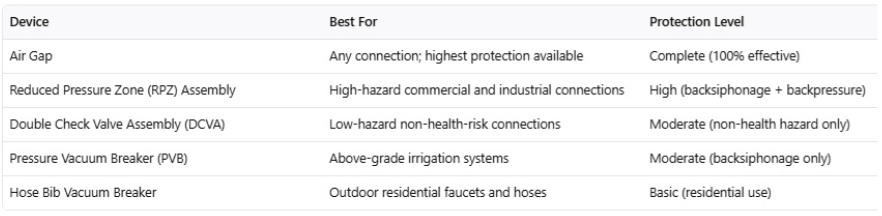
An air gap is the only method recognized as 100% effective against both types of backflow. It creates a physical separation between the water outlet and any potential contamination source, making flow reversal physically impossible. For applications where an air gap is not practical, an RPZ assembly delivers the next highest level of protection available.
Backflow Testing Requirements in Tucson, AZ
Tucson homeowners and business owners do not get to decide whether backflow prevention applies to their property. The City of Tucson and the Arizona Department of Environmental Quality (ADEQ) both mandate it. If your property has a connection that qualifies as a cross-connection under the local ordinance, you are required to have a compliant backflow prevention assembly installed and tested on an annual basis.
What the City of Tucson and ADEQ Require
- Annual testing of all backflow prevention assemblies by a Tucson Water-approved certified tester
- Test results submission through the iBAK online system maintained by Tucson Water
- Certified tester credential required — no unlicensed individual can perform a qualifying test
- Compliance with ADEQ regulations under the Arizona Safe Drinking Water Act
- Documentation using the official Backflow Prevention Assembly Test and Maintenance Report form
With over 30,000 assemblies in the Tucson Water service area, the city treats these requirements seriously. Non-compliance can result in water service interruption. Do not wait for a notice to take action.
Signs Your Backflow Preventer May Be Failing
A backflow preventer does not announce its failure with an alarm or a warning light. Most homeowners discover a failed device only when a mandatory test reveals the problem or, worse, after a contamination event has already occurred. Knowing the warning signs helps you catch a failing device before it allows contaminated water into your supply.
- Discolored or foul-smelling tap water with no obvious municipal cause
- Reduced water pressure throughout the home or building without explanation
- Visible leaking from the RPZ relief valve, which signals the device is under stress
- Water flowing backward through outdoor irrigation lines when the system is off
- Unexplained illness in household members or building occupants tied to water exposure
- Failed annual test result from a certified tester showing the device no longer meets performance standards
If you notice any of these signs, call a licensed plumber immediately. A backflow preventer that is leaking or underperforming provides incomplete protection at best and no protection at worst.
Do You Need a Backflow Preventer? A Quick Guide
Not every property needs the same level of protection. But most residential and commercial properties in Tucson need something. Use this quick reference to understand where you likely stand.
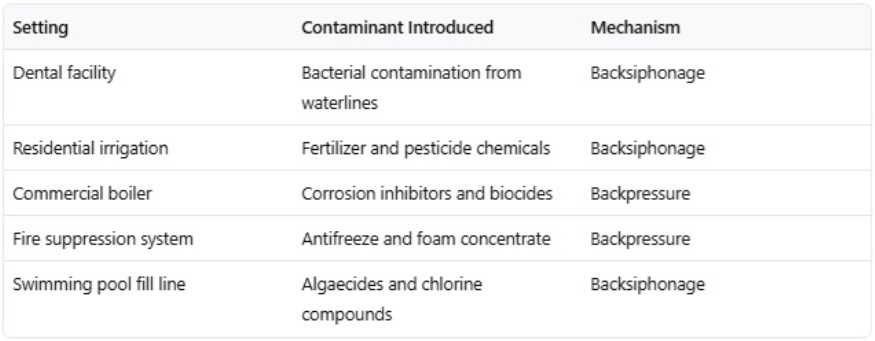
When in doubt, have a licensed plumber assess your property. The cost of an inspection and proper installation is far lower than the cost of dealing with a contamination event or a compliance violation from the City of Tucson.
Frequently Asked Questions About Backflow and Water Contamination
What is backflow in simple terms?
Backflow is when water flows in the wrong direction inside your plumbing system. Instead of traveling from the supply line into your home, it reverses and flows backward. That reversal can carry contaminants from outside sources directly into your drinking water supply.
Can backflow make you sick?
Yes. Backflow contamination can introduce bacteria, viruses, parasites, pesticides, fertilizers, and industrial chemicals into your tap water. Depending on what enters the supply, exposure causes gastrointestinal illness, respiratory symptoms, acute toxic reactions, or long-term organ damage. The CDC identifies many of these same contaminants as the leading causes of waterborne illness in the United States.
How common is backflow contamination?
More common than most people realize. Research cited by DrinkTap.org shows backflow events occur in approximately 1.6% of all meter reads and in 5% of homes with backflow-sensing meters. Many events go undetected because the contaminant does not change the taste, color, or odor of the water.
Is backflow prevention required in Tucson, AZ?
Yes. The City of Tucson and the Arizona Department of Environmental Quality require backflow prevention assemblies on all qualifying connections. Those assemblies must be tested annually by a Tucson Water-approved certified tester. Failure to comply can result in water service interruption.
What is a cross-connection in plumbing?
A cross-connection is any physical link between your potable water supply and a potential contamination source. Common examples include irrigation systems, outdoor hoses connected to chemical sprayers, swimming pool fill lines, fire suppression systems, and commercial equipment tied into the water line.
How do I know if I need a backflow preventer?
If your property has an irrigation system, a pool, a fire suppression system, or any commercial equipment connected to the water supply, you almost certainly need a backflow preventer. A licensed plumber can assess your property and identify all cross-connection points that require protection under Tucson Water regulations.
How often does a backflow preventer need to be tested?
In Tucson, the ADEQ requires annual testing of all backflow prevention assemblies. The test must be performed by a certified tester approved by Tucson Water, and results must be submitted through the official iBAK system.
What happens if a backflow preventer fails?
A failed backflow preventer can no longer stop contaminated water from reversing into your supply. Depending on your cross-connection points, this opens the door to bacterial contamination, chemical exposure, or other serious health hazards. A failed test result requires immediate repair or replacement of the device before the system is considered compliant.
What is the most effective backflow prevention method?
An air gap is the only backflow prevention method considered 100% effective against both backsiphonage and backpressure. It creates a physical break in the water line that makes flow reversal physically impossible. Where an air gap is not practical, a Reduced Pressure Zone (RPZ) assembly provides the next highest level of protection.
Can a plumber install and test a backflow preventer?
Yes. A licensed plumber certified in backflow prevention can both install the correct device for your cross-connection type and perform the required annual testing. In Tucson, the tester must appear on the Tucson Water approved list in order to submit official test results through the iBAK system.
Call Code Blue Plumbing for Backflow Prevention in Tucson, AZ
Your tap water should be the one thing in your home you never have to worry about. But backflow risks exist on properties across Tucson every single day, and most property owners have no idea until something goes wrong.
Code Blue Plumbing is an experienced plumbing company that handles all sorts of residential and commercial plumbing issues in the Tucson, AZ area. With over 20 years of expertise and a reputation as the number one rated plumber in Tucson, the team provides backflow preventer installation, annual testing, repair, and full cross-connection assessments for homes and businesses throughout the region. Flat-rate pricing, 24/7 availability, and licensed technicians mean you get the right solution without surprises.
Don’t wait for a failed test or a water quality issue to take action. Contact Code Blue Plumbing today or call (520) 297-9949 to schedule your backflow inspection.