

Why Does Your Home Smell Like a Sewer?
You walk through the front door and something stops you cold. That unmistakable rotten egg odor hanging in the air like an uninvited guest. You’ve checked the trash. Scrubbed the toilet. Lit every candle in the house. But the smell keeps coming back.
Here’s what most homeowners don’t realize: sewer smells aren’t just unpleasant. They’re your plumbing system sending you a direct signal that something is wrong. And in many cases, the longer you ignore it, the worse the problem becomes.
Sewer gas is a blend of toxic and non-toxic gases produced when organic waste breaks down underground. It contains hydrogen sulfide, methane, ammonia, carbon dioxide, and sulfur dioxide. According to the U.S. Environmental Protection Agency, poor indoor air quality from pollutants like sewer gas poses real health and safety risks, especially with prolonged exposure in enclosed spaces.
The tricky part? These smells appear and disappear without warning. Temperature shifts, water usage patterns, and air pressure changes all affect how strongly the gas moves through your home on any given day. That’s exactly why so many homeowners call it a “mystery” smell. But to a licensed plumber, there’s nothing mysterious about it at all.
The Dry P-Trap: The Most Common Cause of Sewer Smells
Start here before you call anyone. A dry P-trap causes more mystery sewer smells than any other single problem in residential homes.
Every drain in your home connects to a curved pipe shaped like the letter “P.” That curve holds a small reservoir of water at all times. That water acts as a physical barrier, blocking sewer gases from traveling back up through your drain and into your living space. Simple but brilliant engineering.
When a fixture goes unused for one to two weeks, that water evaporates. The barrier disappears. Sewer gas travels freely through the drain opening and into whatever room the fixture sits in. Guest bathrooms, basement floor drains, and utility sinks are the most common culprits precisely because they sit idle for extended periods.
What a P-Trap Does (and Why It Matters)
Your plumbing code requires a P-trap on every sink, shower, tub, and floor drain in the home. That requirement exists for good reason. Without the water seal, every drain in the house becomes an open channel directly connected to the sewer system beneath your property. So when that water disappears, the smell follows immediately.
How to Fix a Dry P-Trap
Run water down the drain for 30 to 60 seconds. That refills the trap and restores the seal. If the smell disappears shortly after, you’ve solved it. To prevent recurrence, run all unused drains every week or two. If the P-trap dries out unusually fast, or if the smell persists after running water, a cracked or leaking trap may be to blame. A plumber can inspect and replace it quickly and affordably.
Blocked or Clogged Vent Pipes
Most homeowners understand that water flows through drain pipes. Fewer realize those drain pipes also rely on a constant supply of air to function correctly. Vent pipes run from your drain lines upward through the roof, pulling in fresh air to maintain proper pressure and allowing sewer gases to escape safely outside.
When those vents get blocked, pressure builds inside the pipe system. Sewer gas has nowhere to go but backward into your home through the drains. You’ll notice the odor most strongly near toilets, sinks, and floor drains in those affected areas.
What Clogs Vent Pipes?
Your vent pipes open directly to the sky at the roof, which makes them vulnerable to everything the outdoors throws at them. Common blockage causes include:
- Leaves, twigs, and debris from surrounding trees
- Bird or insect nests built inside the opening
- Small animals like squirrels looking for shelter
- Accumulated dirt and debris building up over years of neglect
Signs Your Vent Pipe Is Blocked
- Gurgling sounds from your toilet or sink after flushing
- Multiple fixtures draining slowly at the same time
- Bubbles forming in the toilet bowl
- Sewer smell that intensifies when you run water or flush
Clearing a blocked roof vent safely and thoroughly is not a DIY job for most homeowners. Accessing the roof, identifying the correct vent stack, and clearing it without causing damage requires professional equipment and experience.
Sewer Line Damage, Cracks, or Blockages
When the problem runs deeper than your visible fixtures, your main sewer line becomes the likely suspect. That underground pipe carries all waste from your home to the municipal sewer system or your septic tank. Cracks, breaks, and severe blockages allow sewer gases to seep back up through the pipe walls and drain connections into your living space.
This is one of the more serious causes of sewer smell in a home. Left untreated, a compromised sewer line progresses into sewage backups, structural damage, and expensive repairs that dwarf the cost of catching it early.
Tree Root Intrusion in Tucson
Tucson’s mature shade trees add real value to any property. But their roots quietly create plumbing problems underground. Roots naturally chase moisture, and underground sewer pipes provide exactly that. They find hairline cracks in the pipe and grow inside over time, creating blockages and structural damage that only worsens with every passing season.
A sewer camera inspection is the only reliable way to diagnose root intrusion. You simply can’t guess your way to this answer, and no home remedy will remove established root growth from inside a pipe.
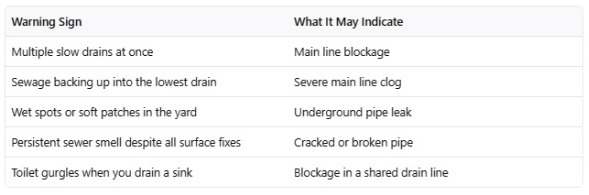
Warning Signs of Sewer Line Problems
Wax Ring Failure Under the Toilet
Your toilet rests on a wax ring that creates a watertight and airtight seal between the toilet base and the drainpipe below it. That ring doesn’t last forever. When it fails, crumbles, or gets disturbed by a rocking toilet, sewer gas escapes directly from the base into your bathroom.
The toilet can look perfectly normal from the outside. That’s what makes this cause so easy to overlook. But a persistent bathroom odor that survives every cleaning session and concentrates near the toilet base points directly at the wax ring.
Signs Your Wax Ring Has Failed
- The toilet shifts or rocks slightly when you sit on it
- Water collects around the base after flushing
- The bathroom smells despite thorough and consistent cleaning
- You notice soft or discolored flooring near the toilet base
Replacing a wax ring is affordable and fast for a licensed plumber. It’s one of the quickest wins in sewer odor diagnosis.
Drain Buildup: The Slow, Smelly Culprit
Not every sewer odor originates from actual sewer gas. Sometimes the source is organic matter sitting right inside your visible drain pipes. Hair, soap scum, grease, food particles, and toothpaste residue accumulate over months and years. Bacteria break that material down and produce hydrogen sulfide gas, which carries that same rotten egg odor most people associate with sewer problems.
The smell often intensifies when you run hot water because heat accelerates bacterial activity and releases trapped gases faster into the air.
What Builds Up in Your Drains Over Time
- Bathroom sinks: Hair, toothpaste, soap residue, shaving cream buildup
- Kitchen sink: Grease, food scraps, dish soap accumulation
- Shower and tub drains: Soap scum, conditioner residue, hair clogs
- Floor drains: Dirt, sediment, and standing water debris
Regular professional drain cleaning prevents this buildup from becoming a problem. Hydro-jetting blasts buildup out of pipes entirely rather than just punching a narrow channel through it the way a basic drain snake does.
Missing or Broken Cleanout Plug
Every residential plumbing system includes a cleanout access point near the main drain line. A threaded cap seals this access point closed. When that cap is missing, cracked, or improperly seated, sewer gas escapes through the opening continuously and without interruption.
Most homeowners don’t know this access point exists until a plumber points it out. Check your basement, utility room, or crawlspace. If you spot an uncapped or visibly damaged cleanout pipe, you’ve likely found your source.
Is Sewer Gas Dangerous? What Tucson Homeowners Need to Know
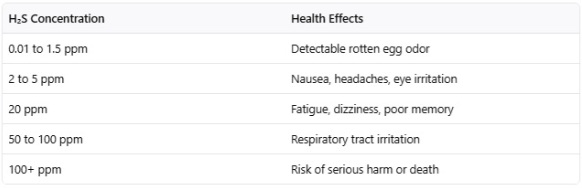
Yes. Sewer gas carries real health risks that go well beyond just an unpleasant smell. Hydrogen sulfide is the primary concern. It’s the colorless gas responsible for the rotten egg odor. According to OSHA, even low concentrations cause headaches, nausea, eye irritation, and dizziness. At higher concentrations, it damages the respiratory system and can cause rapid loss of consciousness.
Here’s what different exposure levels actually mean for your health:
Methane is the other major concern. It’s odorless, flammable, and builds up in enclosed spaces. A high enough methane concentration creates a fire and explosion risk. If the sewer smell is severe, persistent, or comes with physical symptoms, ventilate the space immediately and call a plumber right away.
How to Find the Source of Sewer Smell in Your Home
Tracking down a sewer smell requires a methodical approach, not guesswork. Here’s how a professional plumber works through it step by step:
- Check all floor drains and unused fixtures first for dry P-traps
- Run water in every drain and note whether the smell improves or relocates
- Inspect the toilet base for rocking, water pooling, or soft flooring nearby
- Locate and check the cleanout plug in the basement or utility area
- Perform a drain-by-drain smell test to isolate the source room or fixture
- Schedule a sewer camera inspection if no surface-level cause is found
Never mask the odor with air fresheners or deodorizers. That approach only delays the fix and gives the underlying problem more time to worsen.
When to Call a Plumber in Tucson, AZ
Some sewer smell fixes you can absolutely handle yourself. Running water to refill a dry drain takes under a minute. But pick up the phone and call a licensed plumber when:
- The smell persists after checking all the obvious causes
- Sewage is backing up into any drain or toilet
- Multiple fixtures drain slowly at the same time
- The odor comes with physical symptoms like headaches or dizziness
- You suspect a cracked sewer line or underground pipe leak
- Your toilet wobbles or water pools at the base
Tucson’s extreme summer heat adds urgency to these situations. High temperatures accelerate bacterial activity inside drain pipes and speed up P-trap evaporation dramatically. What presents as a minor odor in April can become a serious problem by July.
Prevention Tips for Tucson Homeowners and Businesses
Preventing sewer smells costs far less time and money than chasing them down after the fact. Build these habits into your routine:
- Run water in all unused drains every two weeks
- Never pour grease or cooking oil down any drain
- Use a drain strainer in showers and tubs to catch hair and debris
- Flush only toilet paper down the toilet
- Schedule annual plumbing inspections to catch problems early
- Get professional drain cleaning every one to two years
- Check your cleanout plug location and condition at least once per year
Commercial properties in Tucson should take a proactive approach. High-volume kitchens, heavily trafficked restrooms, and older building infrastructure make sewer odor problems significantly more likely without a consistent maintenance schedule in place.
Frequently Asked Questions About Sewer Smells in Your Home
Why does my house smell like a sewer only at night?
Nighttime temperature drops shift air pressure inside your plumbing system. That pressure change forces sewer gases through weak points like dry P-traps or loose fittings that don’t release as noticeably during warmer daytime hours. If the smell disappears by morning, you still have a problem. It just gets quieter during the day.
Can sewer gas make you sick?
Yes. Hydrogen sulfide and methane both pose genuine health hazards. At low exposure levels, you’ll experience headaches, nausea, dizziness, and eye irritation. Prolonged or high-level exposure carries far more serious consequences. The CDC and NIOSH classify hydrogen sulfide as a broad-spectrum poison that affects multiple organ systems simultaneously.
Why does my bathroom smell like sewer even after deep cleaning?
Cleaning surfaces doesn’t touch a plumbing problem. A dry P-trap, failed wax ring, or blocked vent pipe keeps producing the odor no matter how thoroughly you scrub the tile. The only real fix requires addressing the plumbing source directly.
How long does it take to fix a sewer smell?
It depends entirely on the cause. A dry P-trap resolves in under a minute. A wax ring replacement takes a few hours. A sewer line repair or tree root removal can take a full day or longer depending on the extent of the damage underground.
Should I be worried if my house smells like rotten eggs?
Yes. A rotten egg smell signals hydrogen sulfide, which comes either from sewer gas or a failing water heater anode rod. Both causes warrant immediate investigation. Don’t assume it’ll resolve on its own because it almost never does.
Why does the sewer smell come and go?
Air pressure, temperature fluctuations, water usage patterns, and wind direction all influence when and how strongly sewer gas moves through your home. The smell disappearing temporarily doesn’t mean the problem is resolved. It means conditions briefly reduced the gas flow.
Can a blocked roof vent cause a sewer smell inside the house?
Absolutely. A blocked vent traps sewer gas inside the pipe system and forces it back down through your drain openings rather than letting it exit safely through the roof. It’s one of the most commonly overlooked causes of persistent sewer odors in otherwise clean homes.
What’s the difference between a sewer smell and a natural gas smell?
Natural gas has a sulfur-like additive mixed in intentionally to make leaks detectable. Sewer gas smells like rotten eggs with earthy, waste-like undertones. If you suspect natural gas, evacuate everyone immediately and call your gas company. For sewer gas, call a licensed plumber.
Is sewer smell worse in Tucson during the summer?
Yes. Tucson’s extreme summer temperatures accelerate bacterial activity inside drain pipes and dramatically speed up P-trap water evaporation. Homeowners in the Tucson area report sewer odors most frequently during the hottest months of the year, particularly in homes with older plumbing systems.
Can I fix the sewer smell myself?
You can handle simple fixes like refilling a dry P-trap or cleaning visible drain buildup. But issues like sewer line damage, wax ring failure, missing cleanout plugs, or blocked roof vents require a licensed plumber to diagnose and repair correctly. Attempting those repairs without the right tools and training often makes the problem worse.
Call Code Blue Plumbing for Sewer Smell Diagnosis in Tucson, AZ
Mystery sewer smells don’t fix themselves. Every odor has a cause and every cause has a solution.
Code Blue Plumbing is an experienced plumbing company that handles all sorts of residential and commercial plumbing issues in the Tucson, AZ area. With over 20 years of expert plumbing service and a reputation as the #1 rated plumber in Tucson, the team brings deep expertise, honest flat-rate pricing, and 24/7 availability to every single job. Whether you’re dealing with a stubborn drain odor, a cracked sewer line, tree root intrusion, or anything in between, Code Blue Plumbing has the tools and experience to find it and fix it fast.
Don’t let a mystery smell turn into a major repair bill. Contact Code Blue Plumbing today or call (520) 297-9949 to schedule your service.